
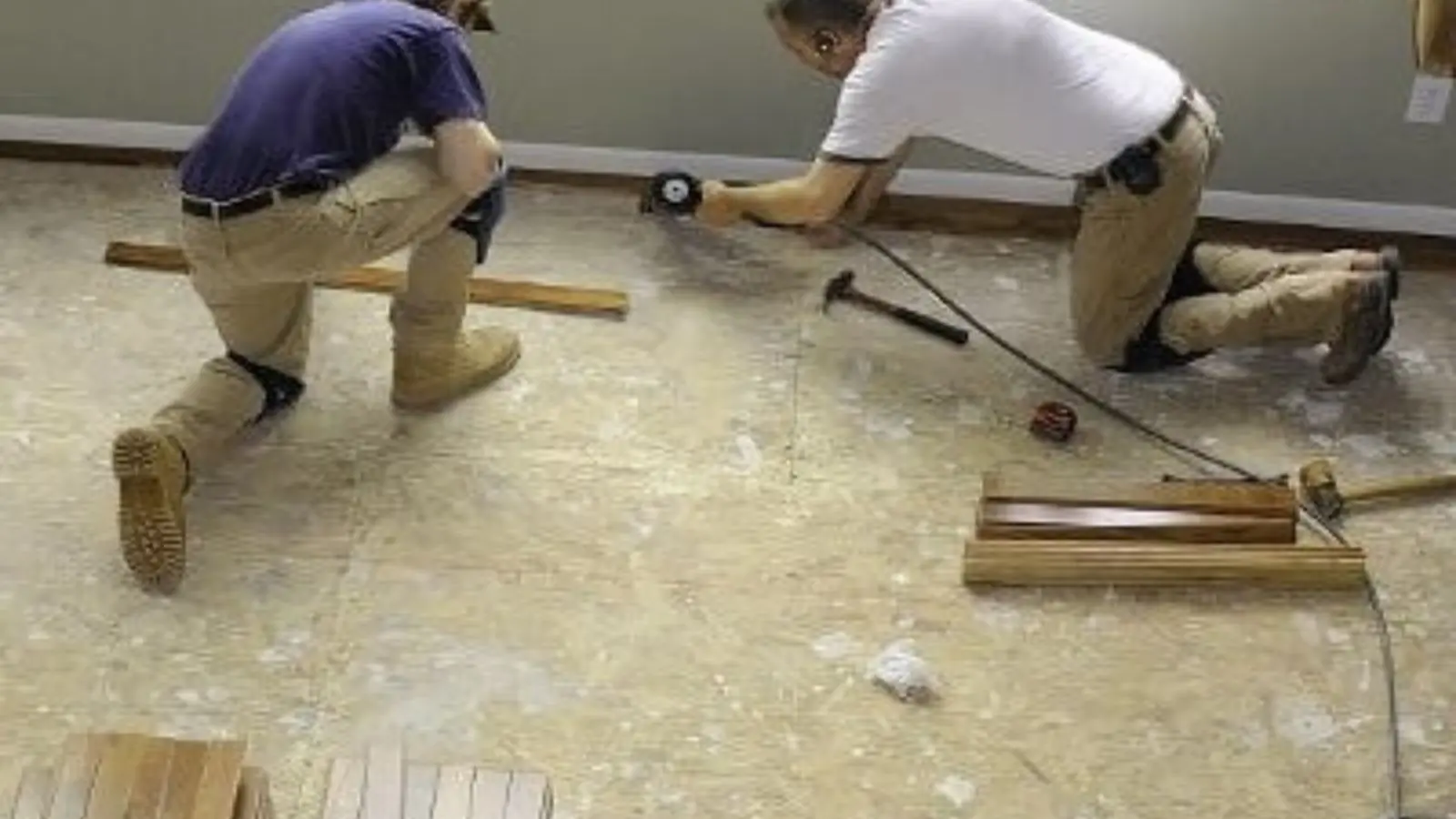
Water damage repair in Tarzana is the rebuild that follows drying. It replaces drywall, insulation, flooring, trim, cabinets and paint that could not be saved. The line is open 24/7 if water is still active, and a repair scope can be arranged once the structure reads dry.
Repair comes last for a reason. Closing up a wall that is still wet traps moisture, and paint over a damp ceiling blisters again within weeks. If any area still reads damp, start with water mitigation and return to repair afterward.
Ceiling and wall water damage repair
Ceilings tell the story of what happened upstairs or on the roof. A brown ring, a sag or a bubble in the paint means water has soaked the drywall and may be sitting in the insulation above it.
Repair starts by finding and stopping the source. A crew then cuts out the damaged drywall back to dry, solid material, checks the framing and insulation, replaces them and tapes, textures and paints to match. Matching texture takes patience, and a patch that looks perfect under primer can show once it is painted, so ask how the finish is blended into the old surface.
Walls follow the same pattern with one added concern. Water travels down inside a wall cavity, so the visible stain is often higher or lower than the worst of the damage. A moisture meter and an opening at the base of the wall show what the paint hides.
Flooring: hardwood, laminate, tile and carpet
Each floor type has a different repair path. Hardwood that cups or crowns after a leak can sometimes be dried, sanded and refinished if the moisture is addressed early. Laminate and vinyl plank often swell at the seams and are replaced, since the core absorbs water and does not return to shape.
Tile usually survives, but the subfloor beneath it may not, and a hollow sound under tile is worth investigating. Carpet is replaced when pad and backing have stayed wet, and new pad is cheap relative to the risk of leaving old pad in place.
Floors on a concrete slab behave differently from floors over a raised wood subfloor. A slab can hold moisture for a long time and release it under flooring, so readings from the slab matter before anything new goes down.
Repair options and honest trade-offs
Most damaged areas can be handled more than one way. The right choice depends on budget, what the material is and what the insurance scope covers.
| Damage | Lower-cost option | More complete option |
|---|---|---|
| Small ceiling stain, dry and solid | Stain-blocking primer and repaint | Cut out and replace the drywall section |
| Buckled laminate in one room | Replace the affected planks if the product is still sold | Replace the whole run so the look matches |
| Cupped hardwood | Dry, then sand and refinish | Replace boards that have crowned or split |
| Swollen lower cabinets | Replace toe kicks and doors | Replace the cabinet boxes |
A repair scope is written after moisture readings confirm the structure is dry.
Older homes, older materials
Tarzana was subdivided out of Edgar Rice Burroughs's ranch after he bought the tract on March 1, 1919, so the housing stock covers a long range of building years. That matters when drywall comes out. Paint on older homes may contain lead, and older joint compound and textures can contain asbestos, so testing before demolition is a safety step rather than an upsell.
Ask any contractor who plans to cut or sand pre-1978 painted surfaces how they handle lead, and ask how suspect materials are tested before they are disturbed. The question is reasonable and the answer should be specific.
Check the license before you hire for the rebuild
California requires a contractor license for jobs of $1,000 or more in combined labor and materials, a threshold that rose from $500 on January 1, 2025 under AB 2622, according to the Contractors State License Board. The board's website lets you look up a license number before you sign anything.
The California Department of Insurance also advises homeowners to get written bids from licensed contractors with prices listed line by line. Line-item bids make it easier to compare scopes and to show your insurer what was changed.
What affects the price of water damage repair
A repair quote follows the scope of materials, not the size of the stain.
- Materials replacedDrywall, flooring, cabinets and trim vary widely in cost and lead time.
- Area and finish levelMore square footage and a higher-grade finish raise the total.
- Matching and blendingMatching paint, texture and flooring across a room takes extra steps.
- Older-home testingLead or asbestos testing and controlled demolition add steps in older houses.
- PermitsSome rebuild work needs a permit, so ask the Los Angeles Department of Building and Safety what applies to your address.
Nothing starts until the scope and price are explained to you. Your exact figure depends on what the meter readings show, so call the number on this page to get started.
Insurance notes for the repair phase
Repairs and your policy interact in ways that vary by carrier. Ask your insurer whether it wants to inspect before any permanent repair begins, since the California Department of Insurance advises waiting for the adjuster before making extensive permanent repairs. Keep the mitigation records, the bids and every receipt in one folder.
After the repair is finished
A finished repair should leave the room dry, level and free of odor. If a musty smell shows up weeks later, there may still be moisture behind new finishes, and mold remediation begins with finding that source. For the cleanup that clears the way for rebuilding, see water damage cleanup. Homes in Reseda to the north can reach the same line for a repair scope.
Frequently asked questions
Repairs begin once moisture readings in framing, subfloor and drywall are at dry standard. Starting earlier can trap moisture behind new materials.
Only if the drywall is dry, solid and the source is fixed. A stain-blocking primer can hide a stain on sound drywall, but a sagging or soft ceiling should be cut out and replaced.
Not always. Floors that are dried quickly can sometimes be sanded and refinished. Boards that have split, crowned or stayed wet for a long period are more likely to be replaced.
It depends on the scope. Permit rules vary, so ask the Los Angeles Department of Building and Safety about your address before work begins.