
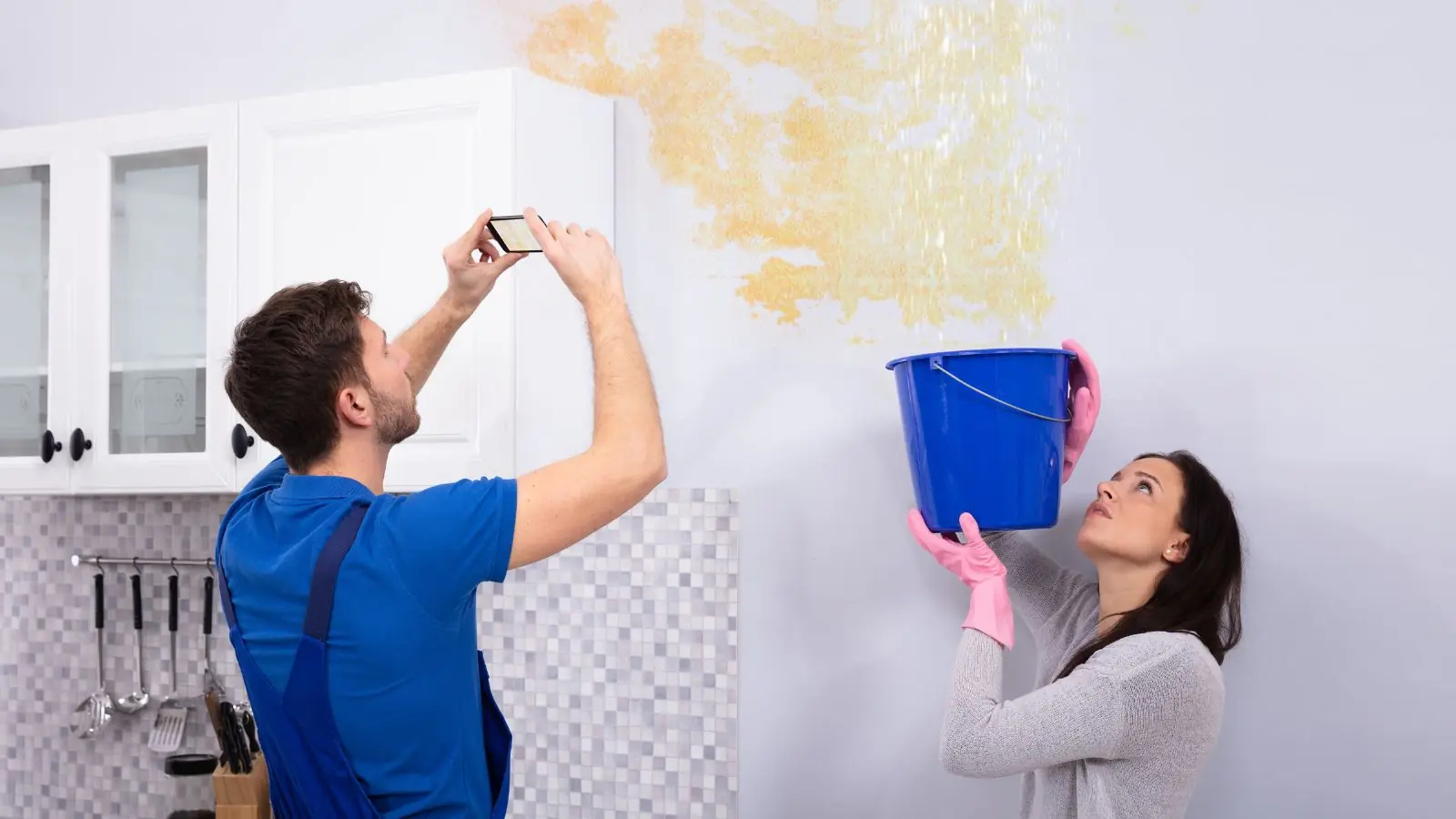
A renters policy often pays for your belongings when water damage comes from a sudden event such as a burst pipe or an overflowing appliance. It usually does not pay for the building itself, which is the landlord's responsibility, and it usually excludes flood. That short answer comes with plenty of exceptions, so your own policy language decides.
This guide explains the usual shape of renters coverage, the situations that trip people up and the records to build while the damage is fresh. It is general information, not a statement about any specific policy.
What a renters policy usually covers
Most renters policies have three parts, and each responds to water damage a little differently.
- Personal property: your furniture, clothing, electronics and other belongings when they are damaged by a covered cause.
- Additional living expenses: some policies help with a hotel or other costs if the unit cannot be lived in while repairs are made.
- Personal liability: if a leak from your unit damages a neighbor's, your policy may respond to the neighbor's claim.
Look for the words sudden and accidental in the water damage section. They often separate a pipe that bursts on Tuesday from a drip that has run behind a cabinet for a year.
What it usually leaves out
Flood damage is not part of homeowners coverage, the California Department of Insurance says, and flood insurance is a separate policy. Renters policies commonly follow the same pattern, so rain that comes in through the door or runoff that floods a garage unit may fall outside your coverage.
Two other exclusions catch renters often. Slow leaks and poor maintenance are usually treated differently from sudden failures, and sewer or drain backup frequently needs an add-on. Ask your agent which of these your policy includes before you need it.
Common situations and what to expect
These are patterns, not promises. Each insurer words its policy differently.
| Situation | Often covered by a renters policy? | What to do first |
|---|---|---|
| A supply line bursts inside your unit | Belongings often, building no | Shut off water, call the landlord, photograph everything |
| The unit above leaks into yours | Belongings often, usually through your policy or the neighbor's | Report to the manager, document and ask your insurer how to proceed |
| Storm water enters through a door | Usually excluded as flood | Photograph, report, ask about flood coverage |
| A drain backs up | Often needs an endorsement | Stop using water, call the manager |
| A slow leak behind a cabinet | Often excluded as gradual | Ask the landlord to repair and keep a written record |
When the neighbor's leak is the cause
Water damage in apartments often begins in another unit. Your renters policy may pay for your belongings first, and your insurer may then seek reimbursement from the responsible party or that party's insurer. You do not have to settle who is at fault before you document the loss.
Report the leak to the manager the same day and ask for the report in writing. If the water is still active, call us at the number on this page for emergency water removal and tell dispatch the floor you are on.
Renting in Tarzana and the neighborhoods around it
Tarzana and its neighbors have a large rental market. Census figures cited for Sherman Oaks showed 58.9 percent of households renting in 2000, and ZIP 91335, which covers Reseda and part of Tarzana, has about 24,000 households. In Northridge, California State University, Northridge keeps rental demand steady around its campus.
For you, the practical point is simple. With so many shared walls and floors, a leak is as likely to start next door as in your own unit. The California Department of Insurance publishes a residential insurance guide for homeowners and renters, and its claims guide advises keeping a log of calls and copies of all correspondence. Start that log on day one.
Document the loss while it is fresh
Photograph the damage before anything is moved, then photograph each damaged item. Write down what each item is, when you bought it and what it cost. Keep receipts for emergency expenses, and do not throw damaged belongings away until the adjuster says you can, as the California Department of Insurance advises.
A restoration crew can add moisture readings and an equipment log to your file. That record shows what was wet and for how long, which helps an adjuster understand the scope. It does not decide coverage, and a crew cannot promise how your insurer will respond.
Who pays when the leak starts in another unit
Renters in multi-unit buildings often deal with water that did not start in their own space. A pipe break upstairs or a roof leak in a common area can soak your ceiling and belongings. In that case, the building owner's insurance usually addresses the structure, while your policy addresses your personal property.
Liability may also come into play if a neighbor's negligence caused the leak. Ask your insurer how they handle such claims, and whether they would pursue the responsible party.
Steps to take as a renter
Act quickly and keep communication in writing. Landlords and management companies expect tenants to report water problems promptly.
- Tell management in writing and keep a copy.
- Photograph damage and wet belongings before moving them.
- Move valuables to a dry location.
- Keep receipts for hotel stays or replacement items.
- Call your renters insurer to open a claim.
What drying and cleanup mean for you
In a rental, the owner is generally responsible for the structure, so the owner or manager arranges drying of walls and floors. Your own belongings, such as rugs, furniture and electronics, may need separate attention.
If you need guidance about the process, water mitigation explains how drying works, and water damage cleanup covers contents and surfaces. Review your lease and policy for what applies in your situation. Professional drying follows ANSI/IICRC S500.
Get the drying started before the claim is settled
Insurance questions can take days. Water does not wait that long. California Department of Insurance guidance encourages policyholders to take reasonable steps to protect property from further damage, and policies often expect it. For a rental, that means telling the landlord and, if the water is in your belongings, getting the area dried.
If a leak has soaked carpet or walls, water damage cleanup explains what usually comes out and what can be saved. Renters in Sherman Oaks and Northridge can call the same dispatch line.
Frequently asked questions
It may cover your belongings, since sudden water damage from a neighbor's pipe is the kind of event renters policies are written for. Your insurer may then pursue the neighbor or the building's insurer. Report the leak to the manager the same day and call your insurer.
Often it depends on the cause. Mold that follows a covered sudden leak may be treated differently from mold from long-term moisture. Read the mold language in your policy and ask your agent.
Usually not. The building owner's policy typically covers the structure, while your belongings fall under your own renters policy.
That is a judgment call that depends on your deductible and the cost of the loss. Ask your agent how a claim could affect your policy before you decide.
Some policies include additional living expense coverage for covered losses. Check your policy wording and ask your insurer.